

“Okeil”: The Code of Conduct supports the implementation of one of the objectives of the National Human Rights Strategy
Marina Sami: Strengthening partnerships between media institutions and digital platforms is a cornerstone for establishing a more professional media environment
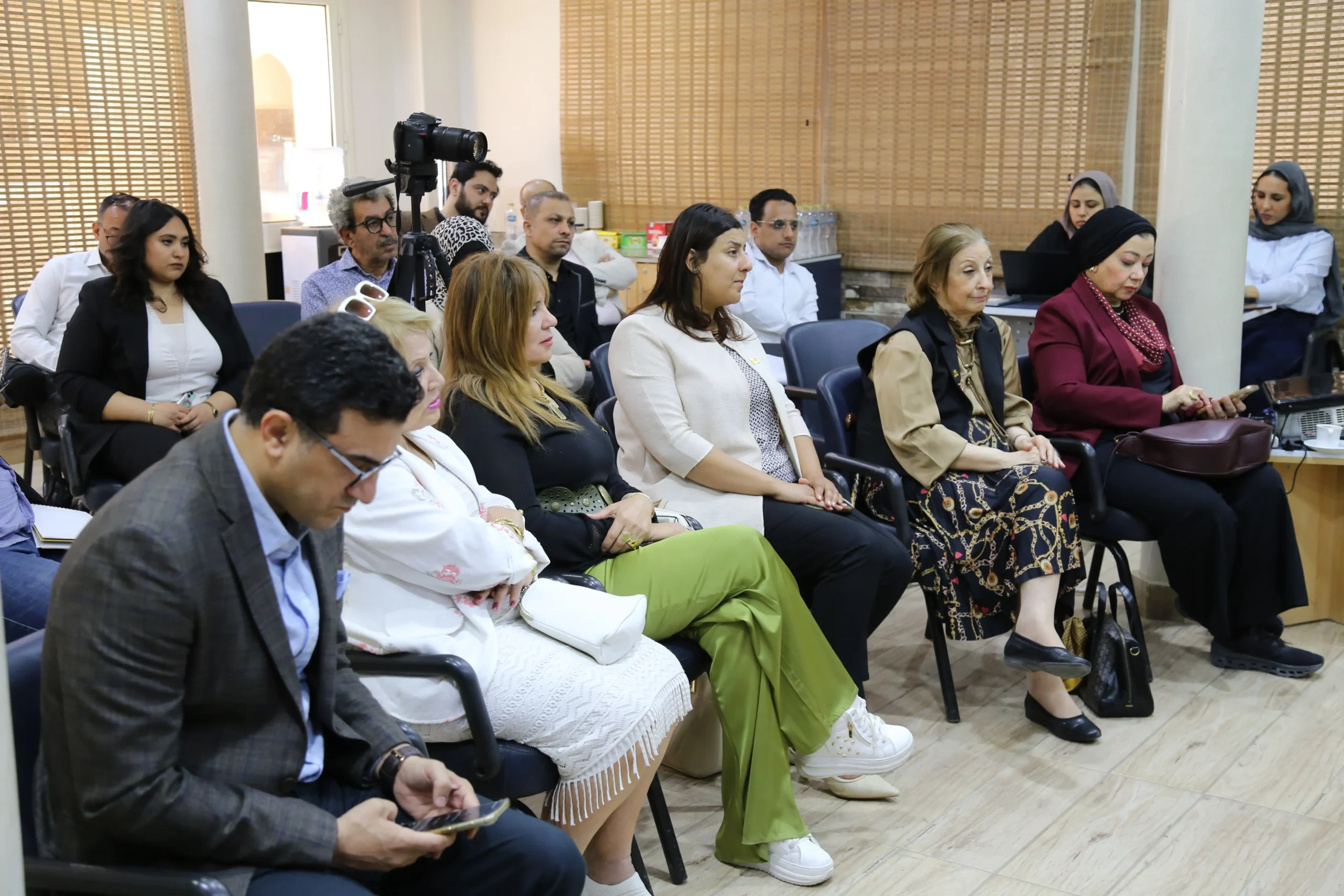
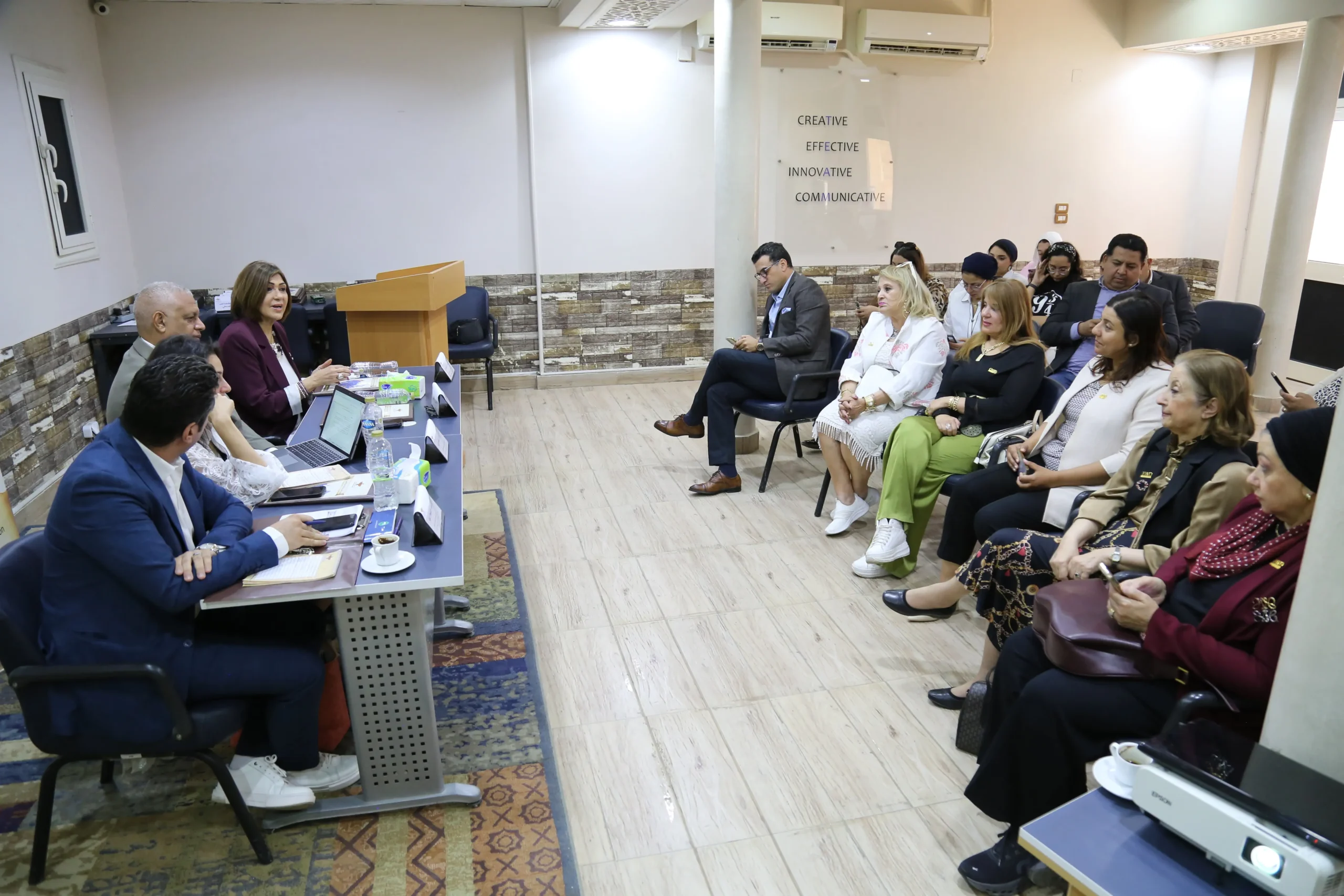
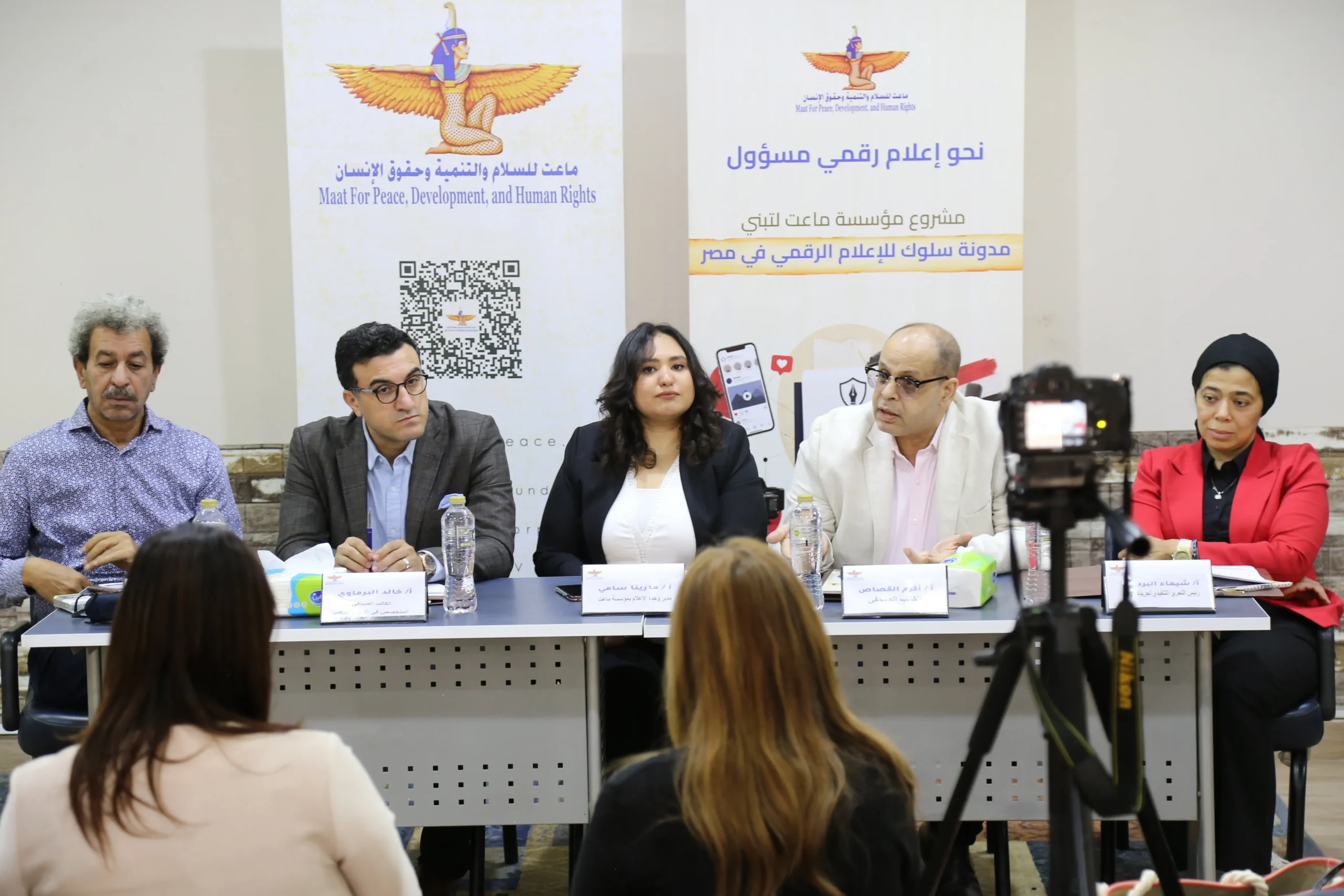
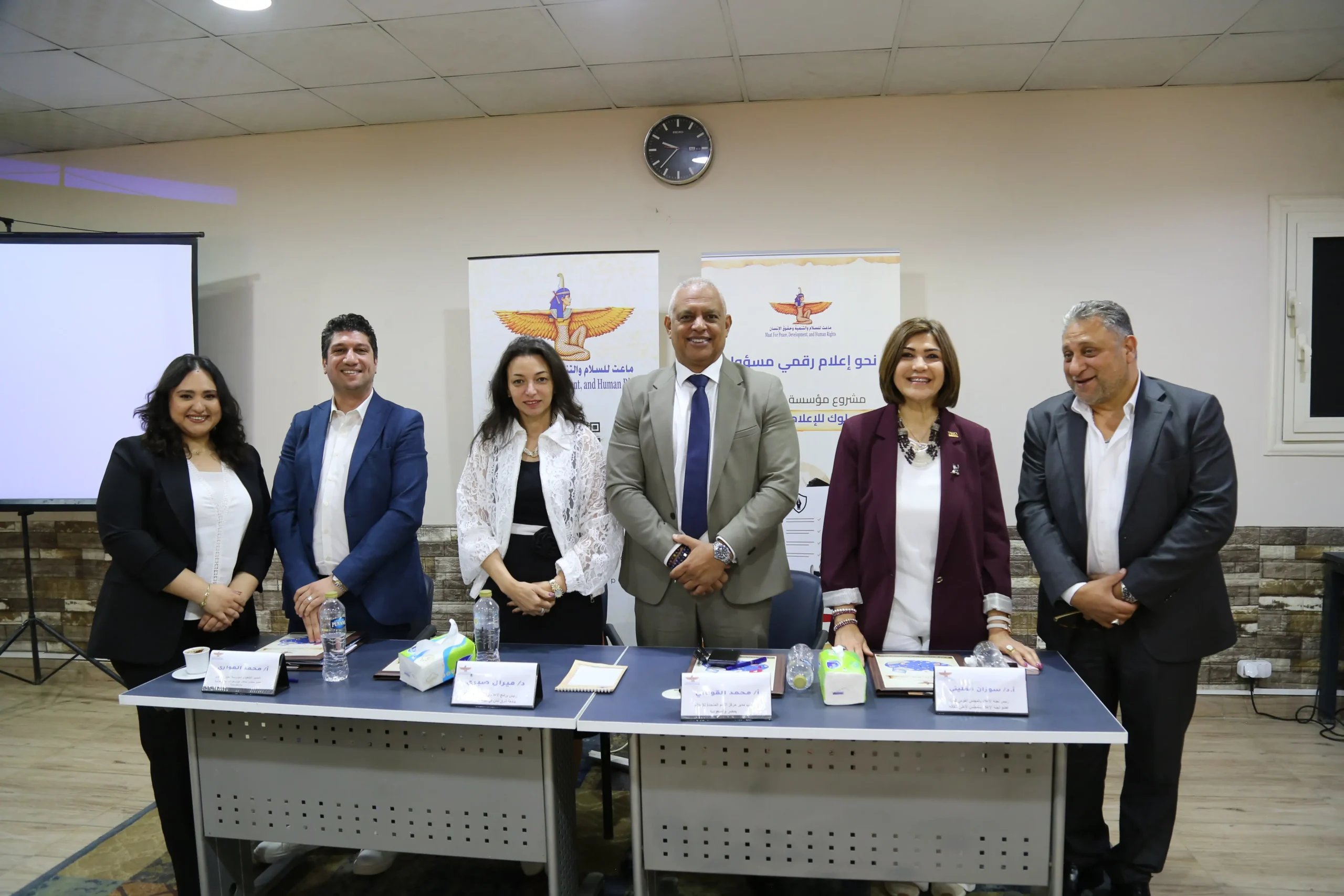
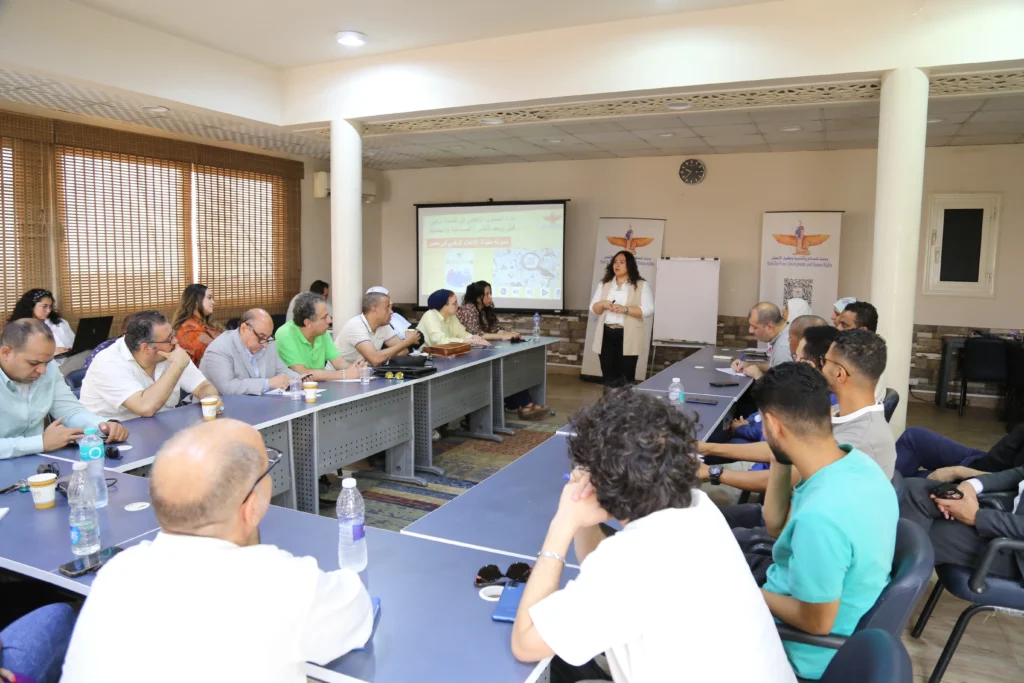
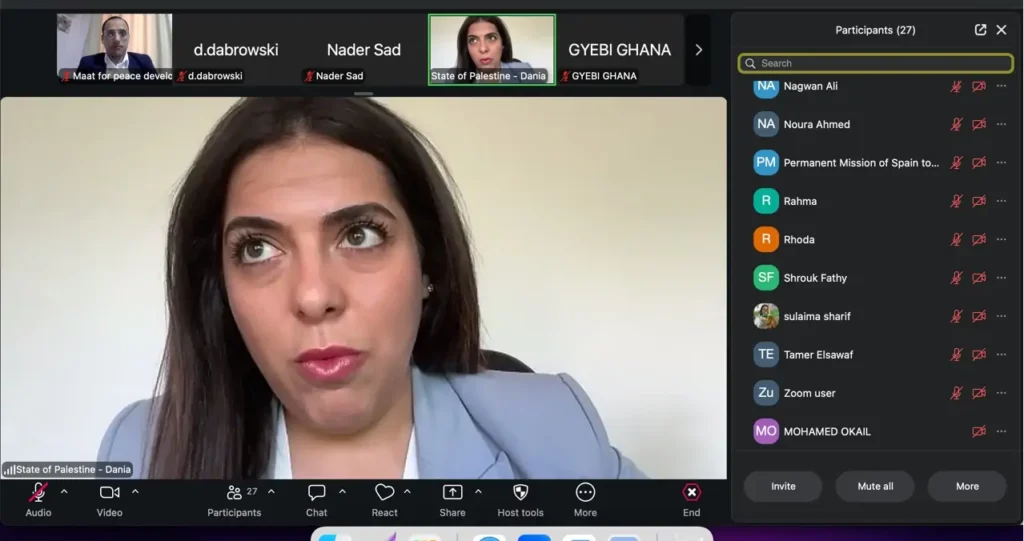
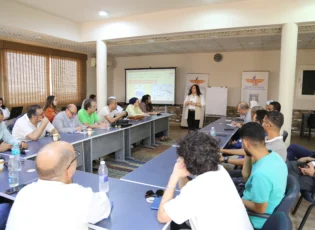
Maat for Peace, Development, and Human Rights held a press conference titled “A Code of Conduct for Digital Media in Egypt: Implementation Mechanisms and Promoting Wider Adoption,” with the participation of a distinguished group of experts, media professionals, and specialists, as part of efforts aimed at fostering a more professional and responsible digital media environment.
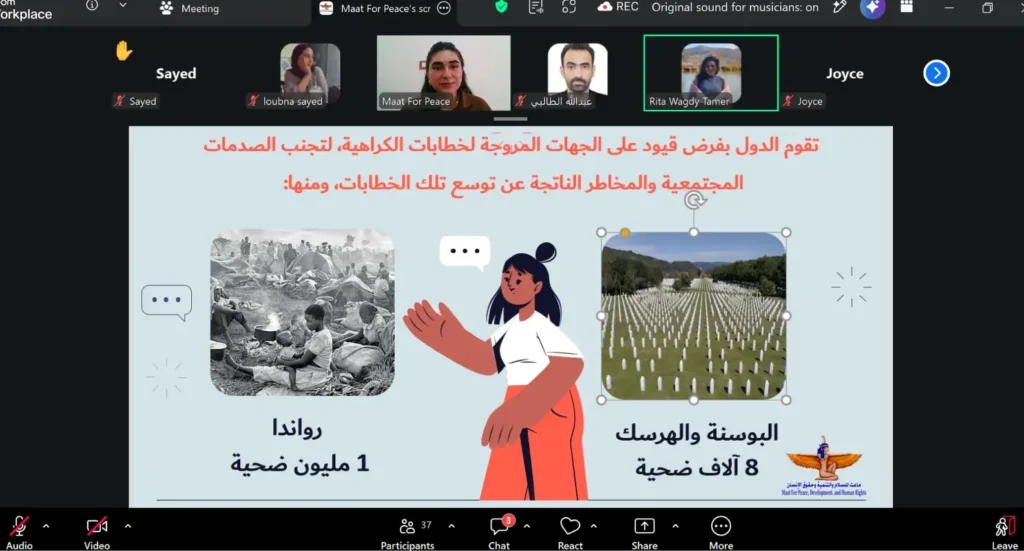
The conference highlighted the importance of building a professional and ethical framework that enhances digital responsibility, maintains the balance between freedom of expression and adherence to professional and human-rights standards, helps reduce digital violations, strengthens respect for human rights, protects privacy, counters hate speech, and supports the development of a safer and more balanced digital space.
The first session, titled “The Code of Conduct: Framework and Significance,” addressed the overall framework of the Code and its importance, along with the United Nations’ vision for supporting and developing a regulated digital media environment. It also discussed the future of digital media practice, the balance between freedom of expression and professional obligations, and the role of codes of conduct in promoting a more professional and more informed digital media landscape.
The second session, titled “The Code of Conduct: From Principles to Implementation,” examined mechanisms for translating the Code’s principles into practical practices within media institutions and digital platforms. It also focused on the role of content creators in promoting digital responsibility, building collective awareness of the governing guidelines for digital media, and reviewing implementation, monitoring, and evaluation mechanisms to ensure genuine compliance with the Code’s provisions.
During the conference, Ayman Okeil, an international legal expert and Chairman of Maat, stated that issuing the “Digital Media Code of Conduct” came in support of implementing the National Human Rights Strategy, as one of the objectives associated with enhancing awareness and commitment to rights and responsibilities in the digital sphere.
“Okeil” added that Maat ensured that stakeholders from various sectors were involved in drafting the Code, experts, media professionals, media professors, and specialists, so that the Code reflects a participatory vision and responds to the real challenges faced by digital media. This, he said, strengthens commitment to professional standards, supports a more disciplined and aware digital media environment, and helps reduce misinformation and hate speech.
He concluded by emphasizing his pride in the positive reception the initiative has received not only in Egypt but across the Arab world, where Arab entities and institutions have expressed interest in benefiting from the experience and in working to expand and generalize it regionally.
For her part, Marina Sami, Director of the Media Unit at Maat, affirmed that the success of any code of conduct is not measured solely by the quality of its texts and principles, but by its ability to become an influential daily practice within the digital media environment and become part of professional culture.
She explained that the nature of the digital space and the rapid developments it is witnessing make it essential to strengthen partnerships between media institutions, digital platforms, and content creators. This, she said, helps establish the principles of digital responsibility and promotes sound professional practices.
She added that building community education around the governing principles of digital media is a key element in supporting a more aware and balanced media environment, ensuring responsible use of digital platforms.
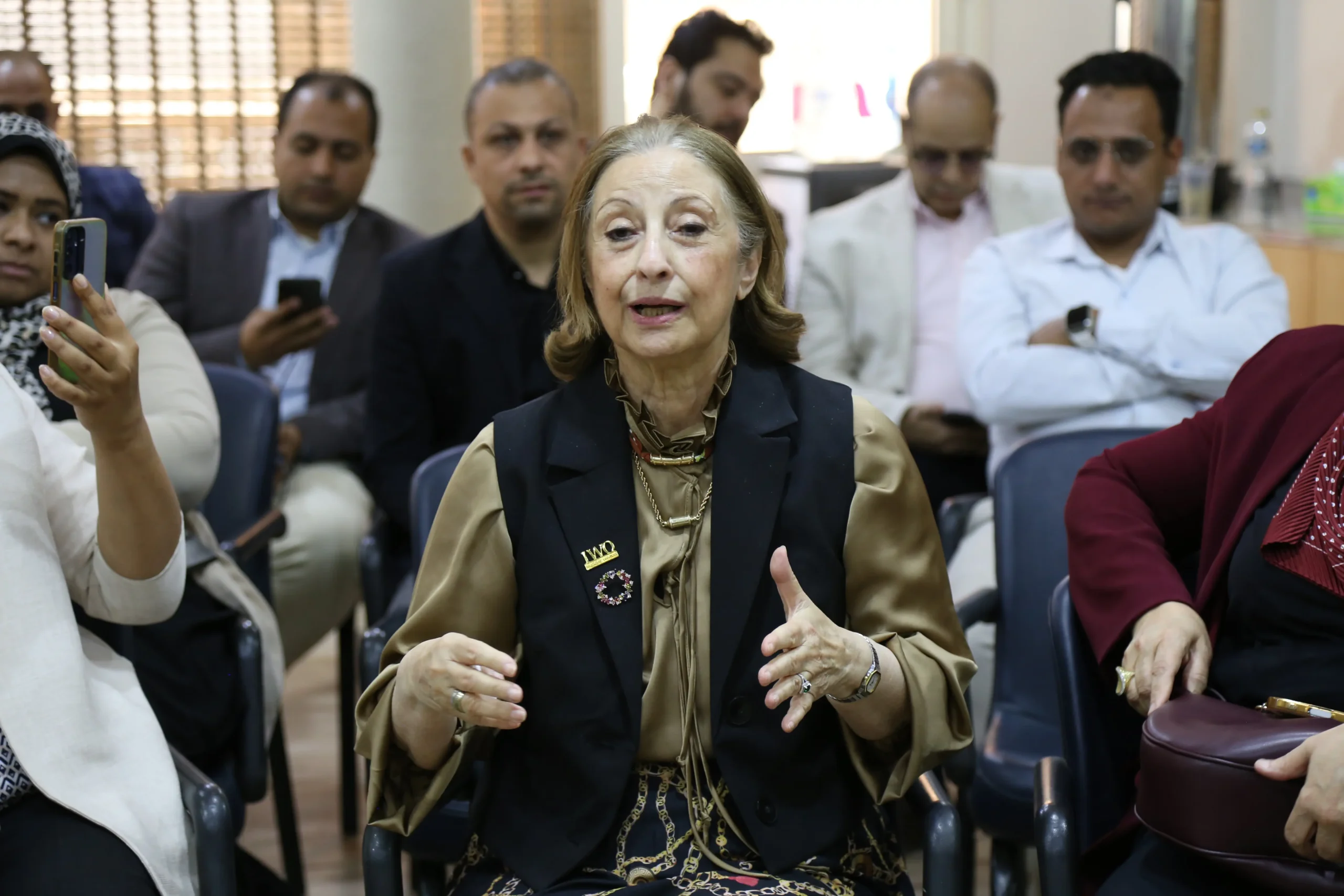
Participants confirmed that codes of conduct are important organizational and ethical tools for addressing the growing challenges in the digital sphere and for enhancing responsible media practices, supporting the values of transparency and professionalism, and respecting human rights.





shortlink: https://safearabregion.org/en/?p=46101


 English
  العربية