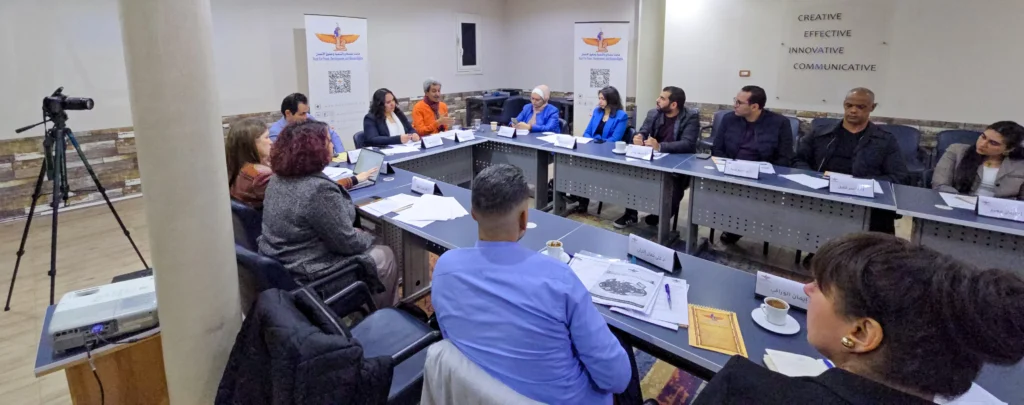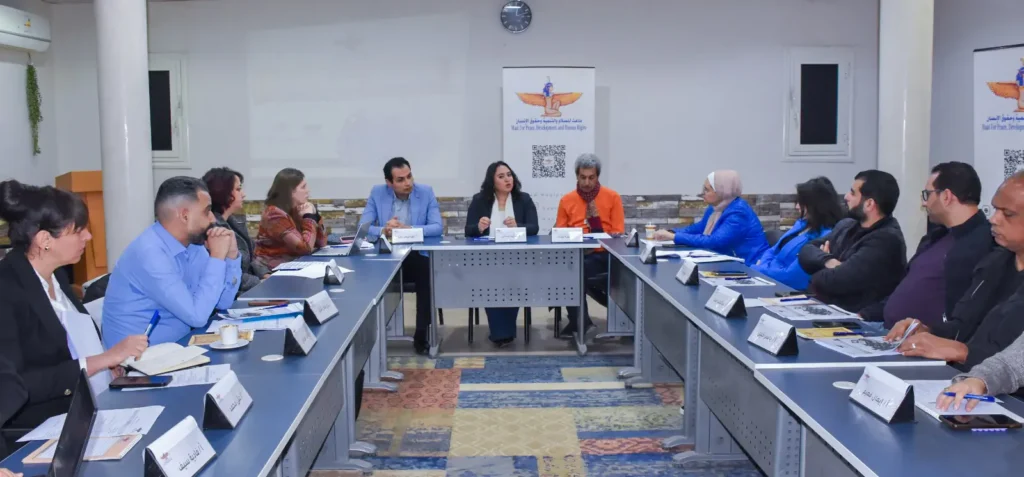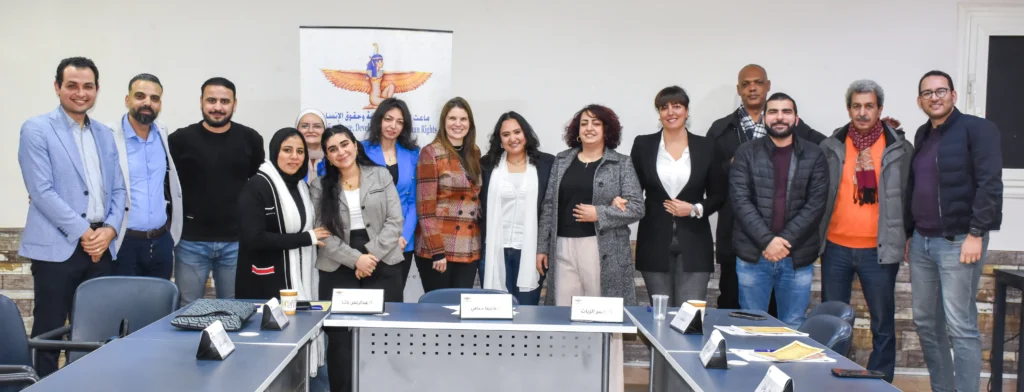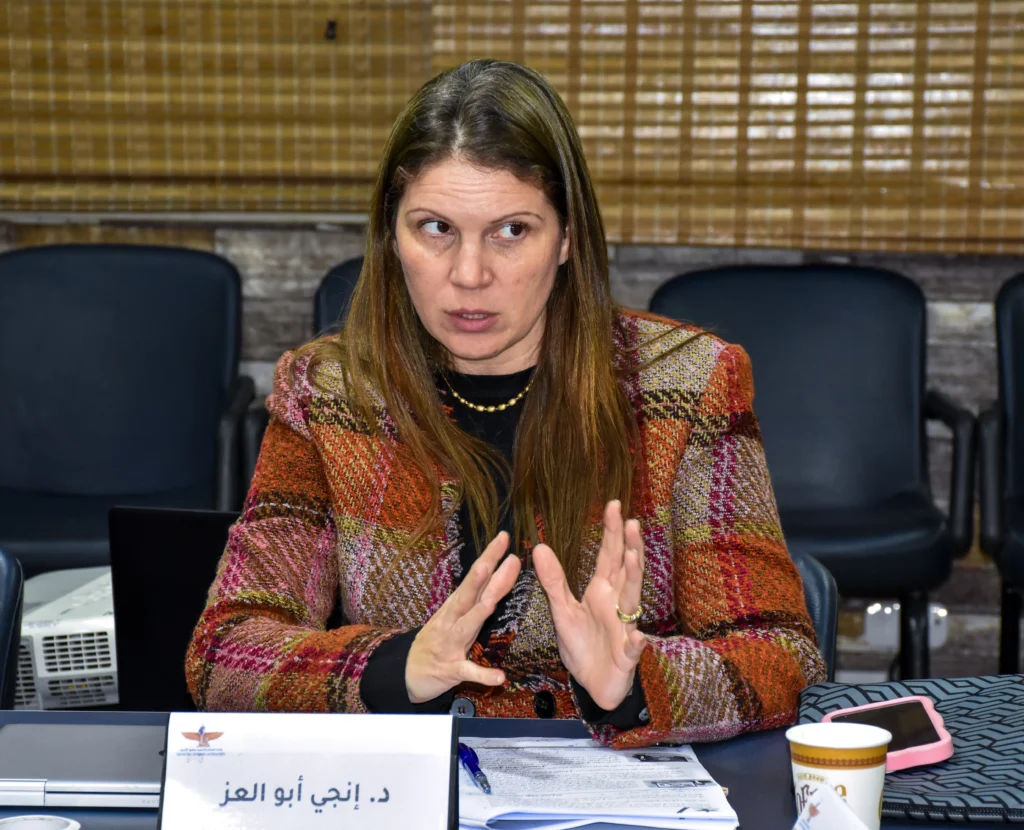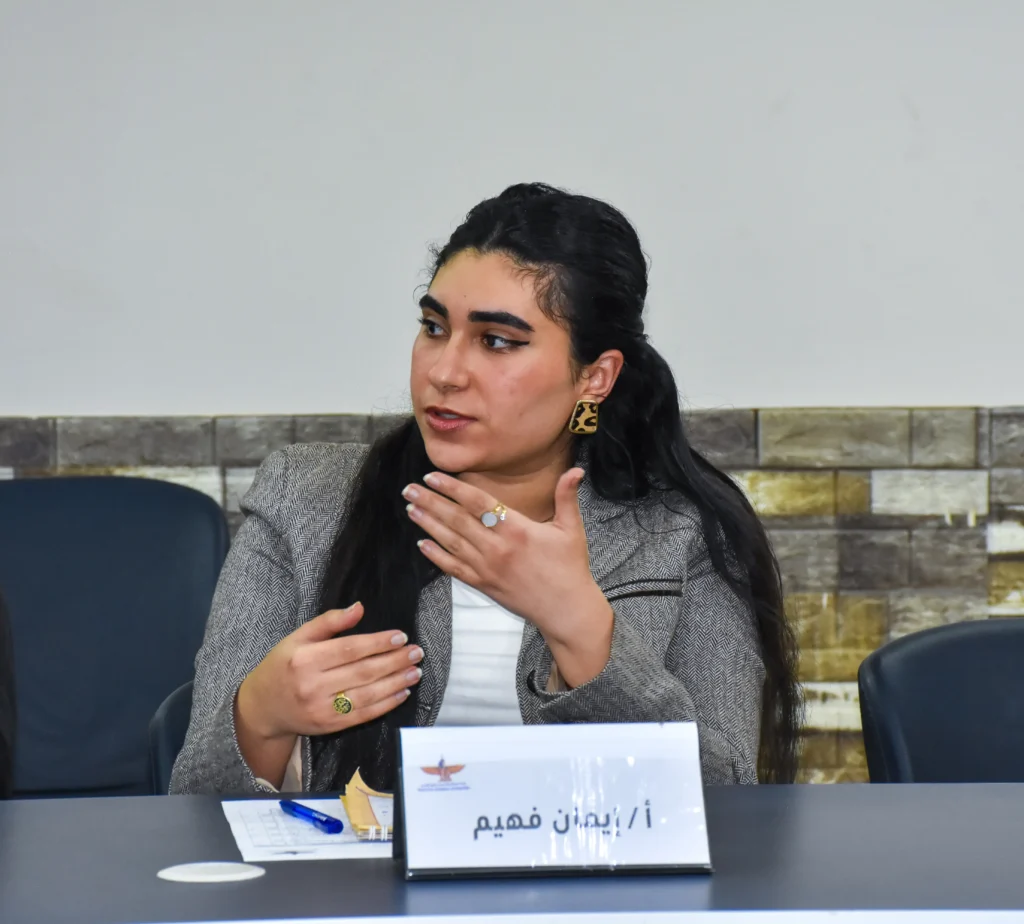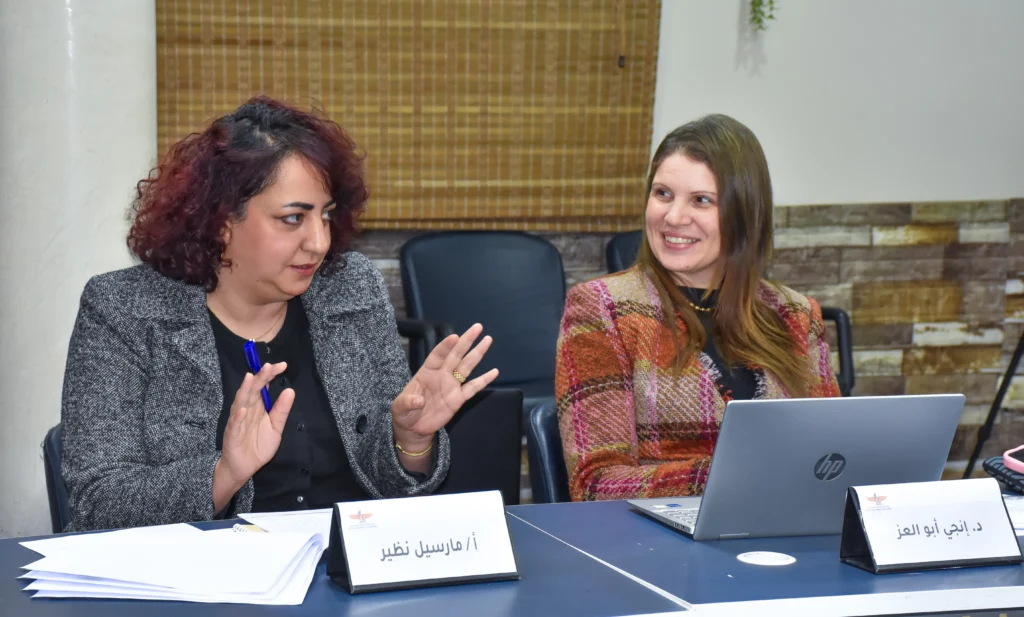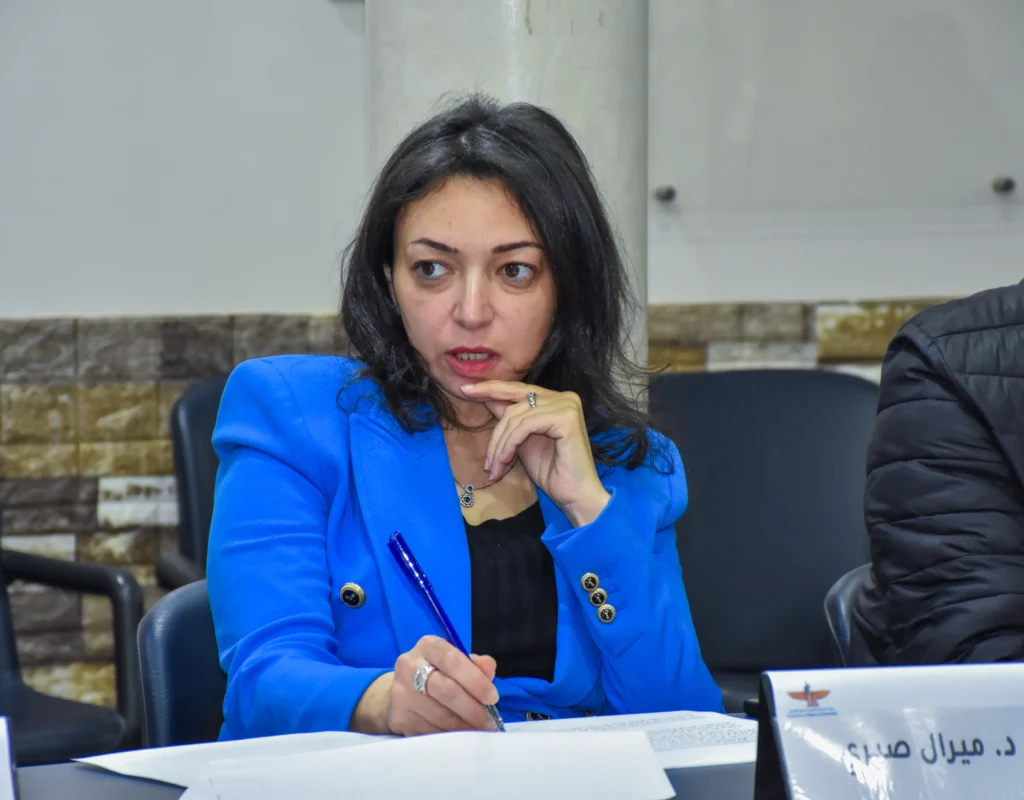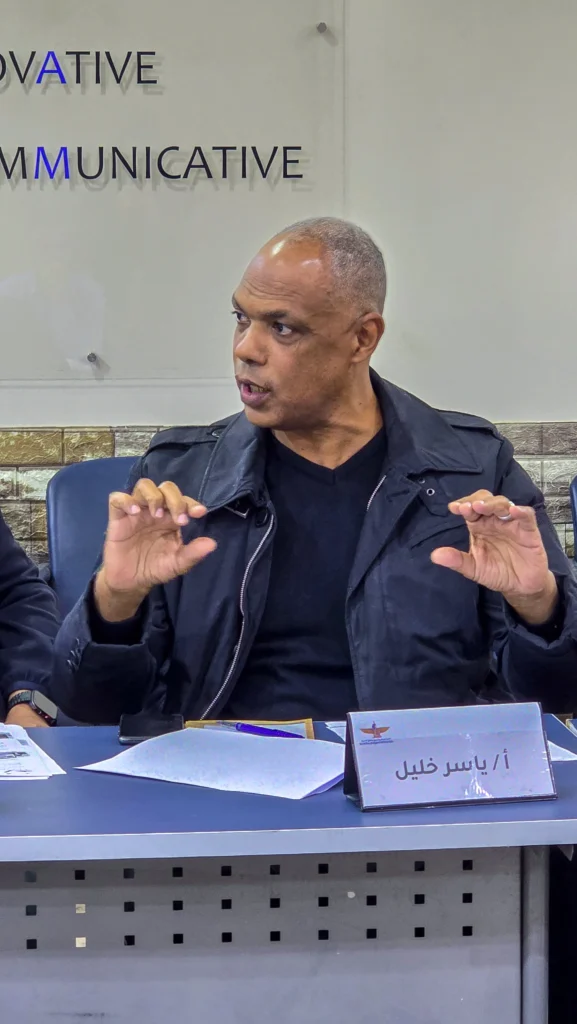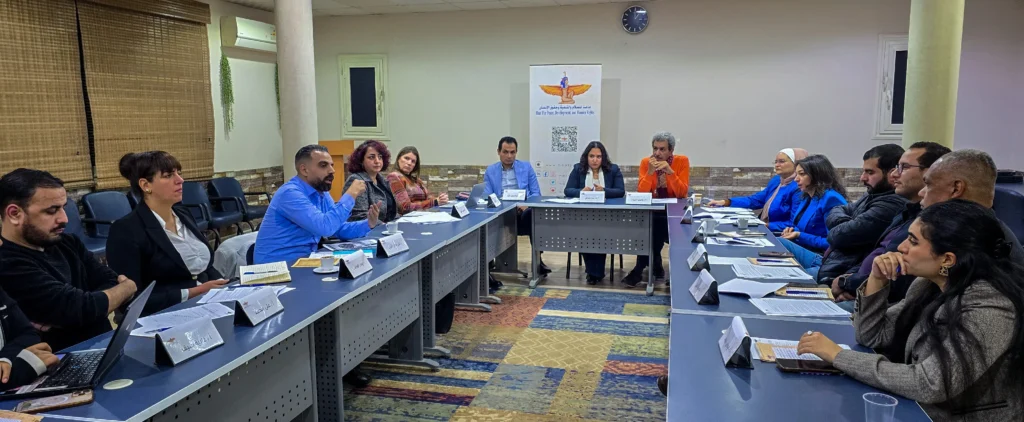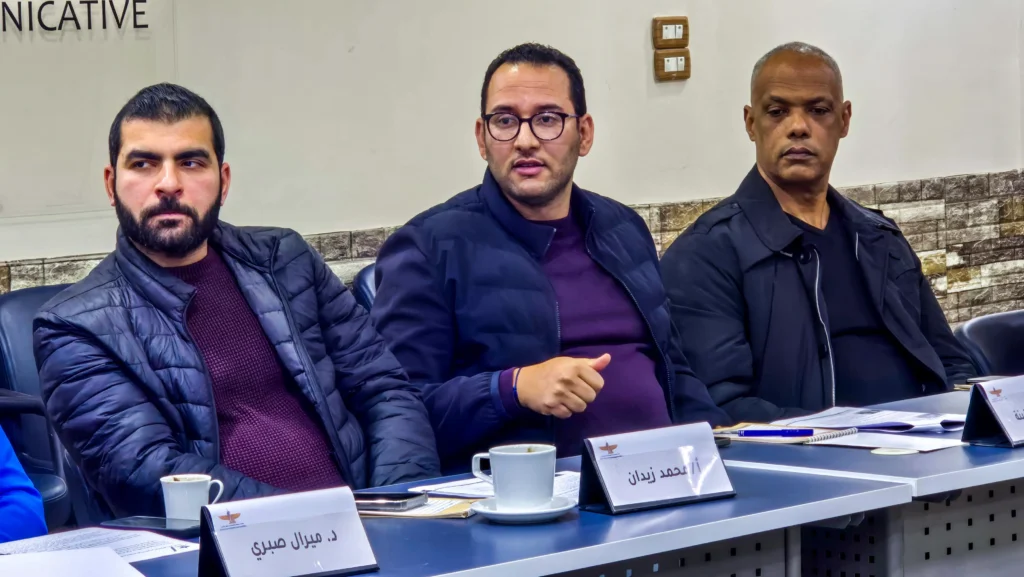


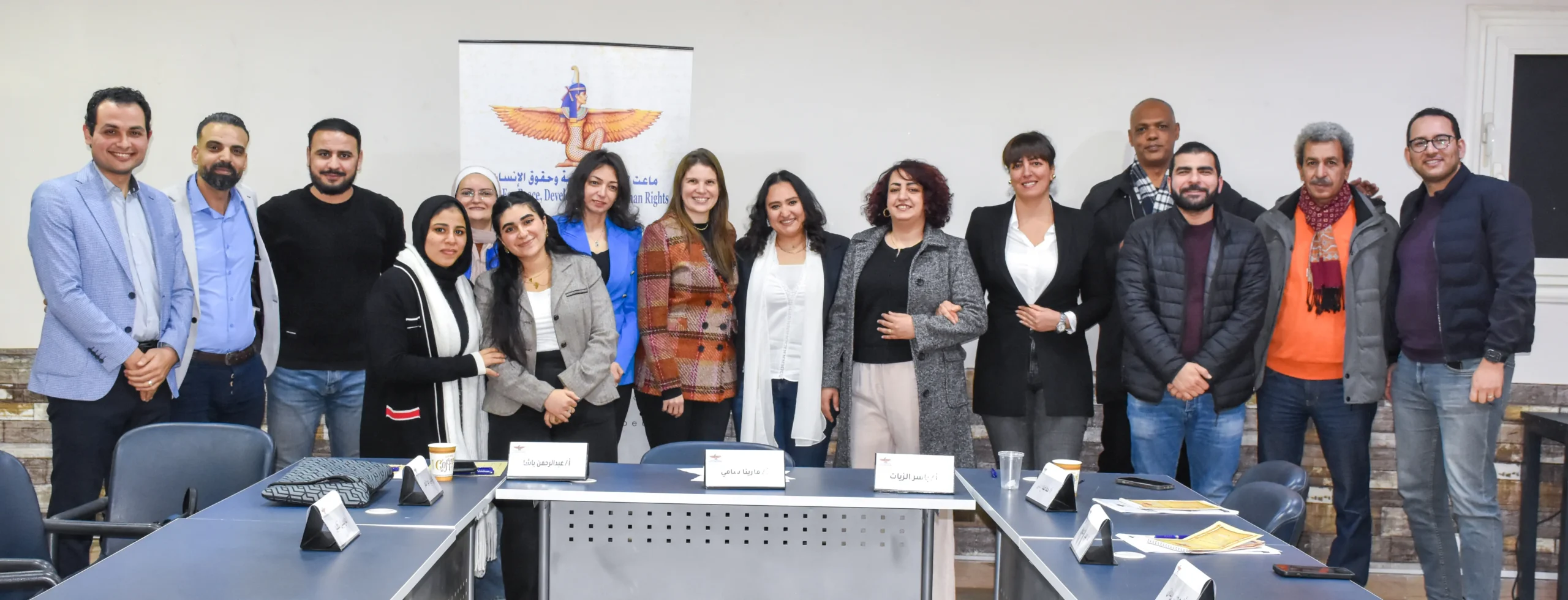
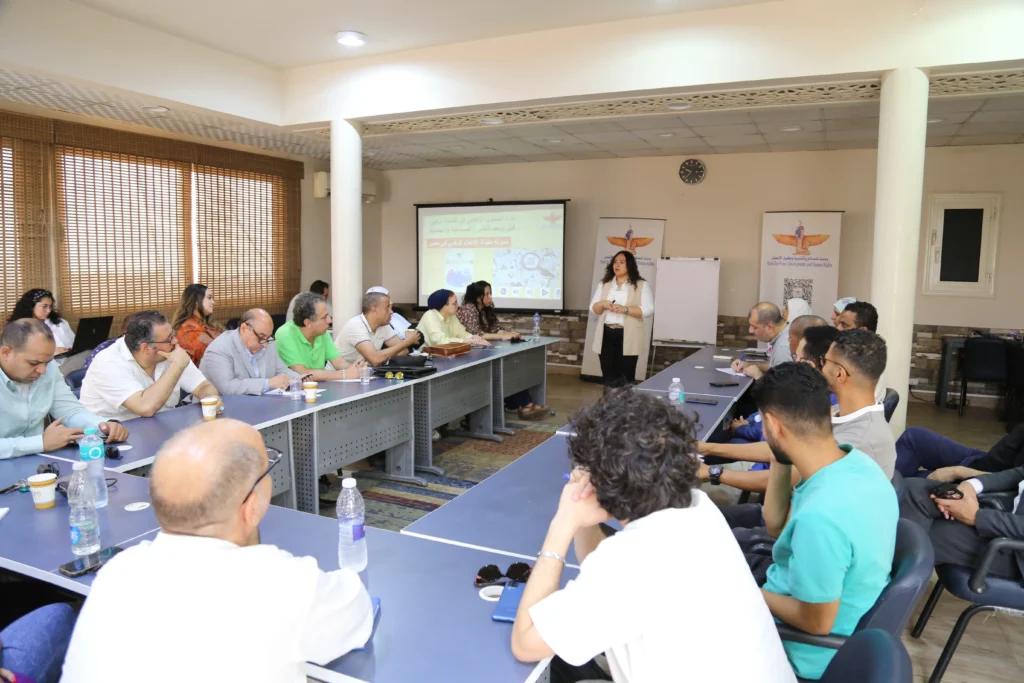
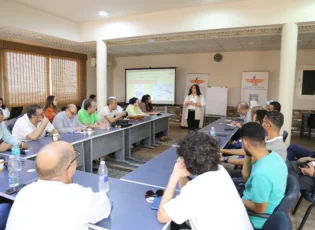
Maat for Peace, Development, and Human Rights held its second workshop to discuss the clauses of the “Code of Conduct for Digital Media in Egypt,” which it is currently developing. The workshop was attended by a distinguished group of experts, journalists, media professionals, and researchers, including journalist Yasser Al-Zayat, Dr. Miral Sabry, Dr. Engy Abu El-Ezz, journalist Abdel Halim Hafina, Mohamed Zidan, Maha Salah El-Din, Yasser Khalil, Eman Al-Waraqi, Marcel Nazmi, and Dr. Ali Al-Turki.
The workshop aimed to open a constructive dialogue about the rationale and general principles of the code, as well as to discuss the key ethical guidelines associated with digital media, including combating misinformation, the use of artificial intelligence, protecting privacy, addressing hate speech, safeguarding journalistic sources, and implementing correction and reporting mechanisms. This aims to enhance a more professional and responsible digital media environment.
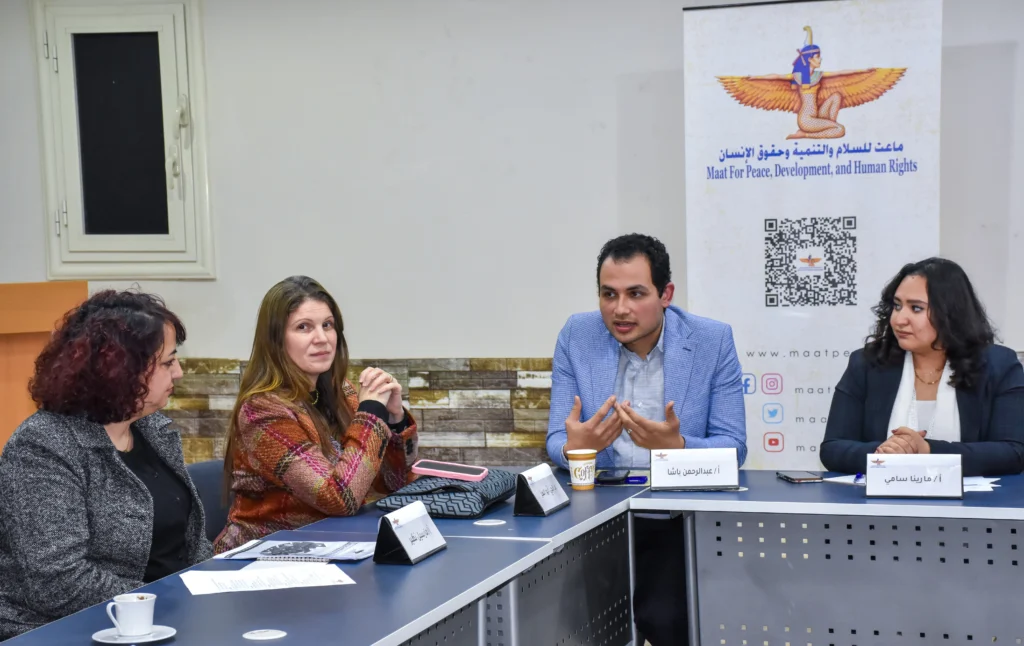
The discussion was moderated by Marina Samy, the Director of the Media Unit at Maat, who emphasized that the code of conduct being developed by Maat represents a pivotal step in ensuring that media practitioners adhere to professional, ethical, and legal values when disseminating information and opinions in the digital space. The workshop primarily aimed to open dialogues and discussions among participating journalists, experts, and media practitioners to exchange views and experiences on applying professional standards in digital media, ensuring a digital environment that respects rights and supports the accurate and reliable exchange of information.
For his part, Ayman Okeil, Chairman of Maat and Deputy Presiding Officer of the AU ECOSOCC, stated that the code of conduct being drafted by Maat aims to develop clear ethical guidelines and principles that will help recalibrate behaviors and practices in the digital domain, promoting a responsible media environment that respects rights and supports the accurate and transparent exchange of information. The code is based on existing legislation within the Egyptian legal framework, as well as international agreements ratified by Egypt, which gives it a legal grounding. Aqeel added that Maat is committed to involving experts, journalists, and digital media practitioners in open discussions to ensure that the code of conduct is practical and realistic, taking into account the technical, legal, and media challenges facing the digital environment in Egypt.
Participants also emphasized the need to broaden the definition of digital media practitioners to include the average citizen, with the aim of enhancing their capabilities and empowering them to participate actively and responsibly in the digital field. Additionally, several technical and artistic contributions were made regarding the clauses of the code, and Maat will work on developing it in consideration of the participants' feedback.
It is worth noting that these efforts come as part of Maat's endeavor to enhance a more responsible digital media environment that upholds ethical standards and supports the accurate and responsible exchange of information. This is in response to achieving the objectives related to freedom of opinion and expression outlined in the National Human Rights Strategy, which underscores the importance of issuing a comprehensive code of conduct for all aspects of media and journalistic work, including digital media and social media platforms.

shortlink: https://safearabregion.org/en/?p=45851


 English
 العربية