

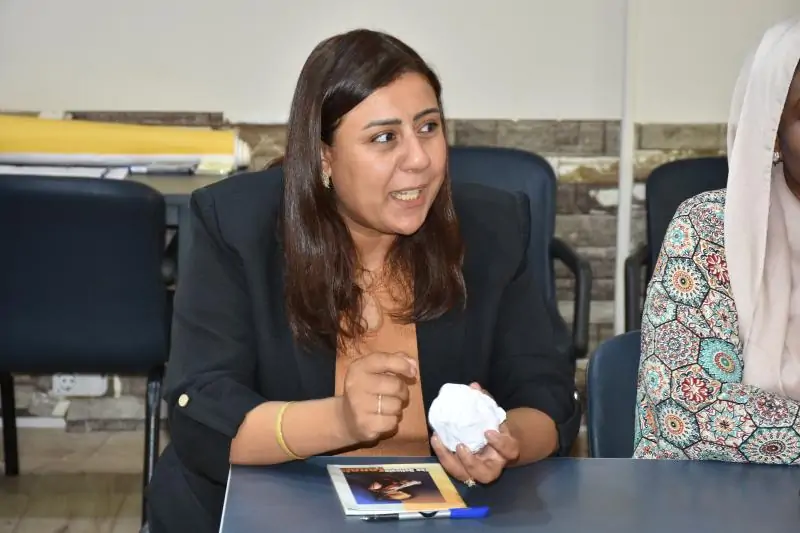
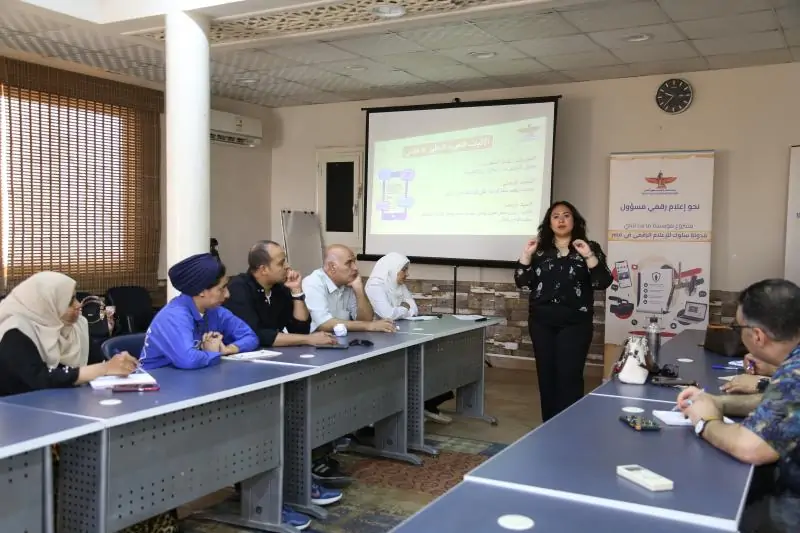
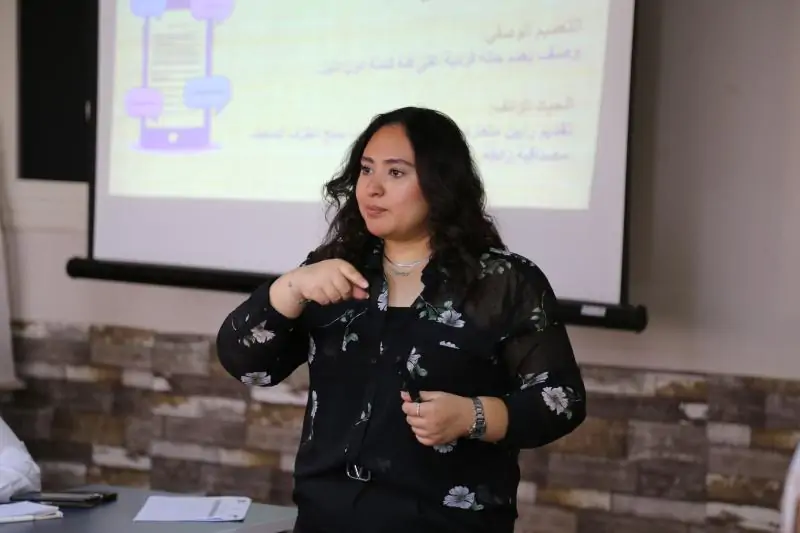
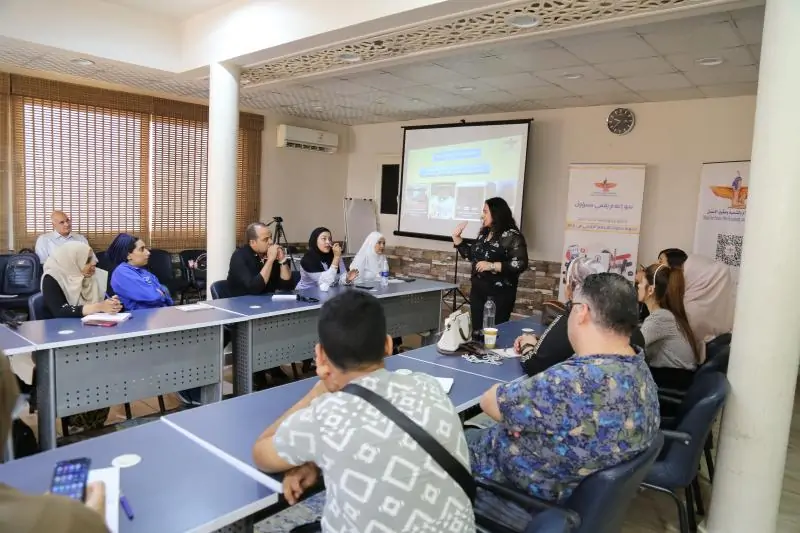
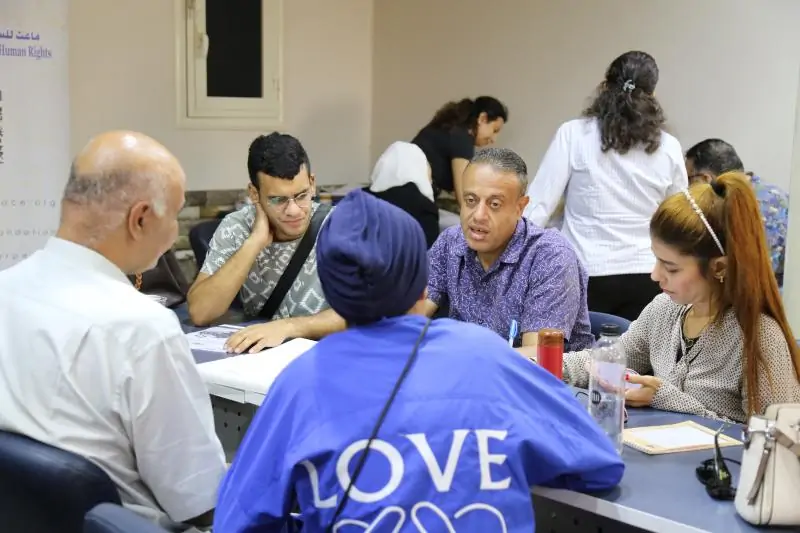
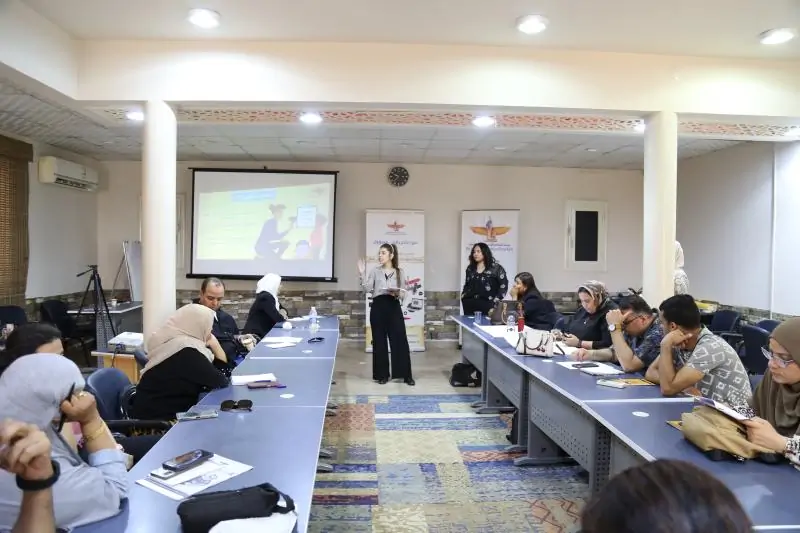
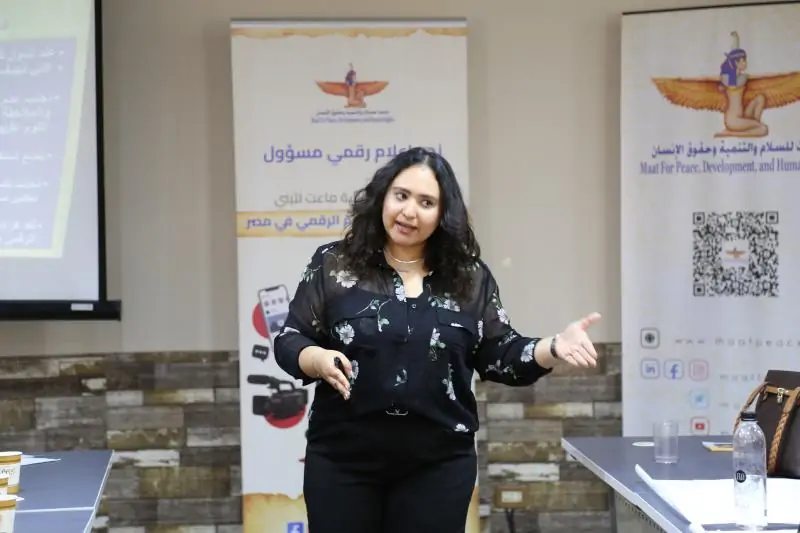
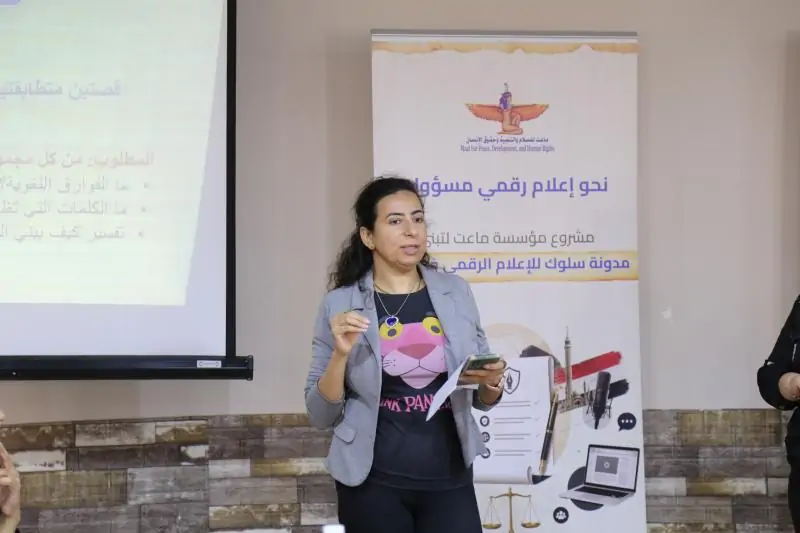
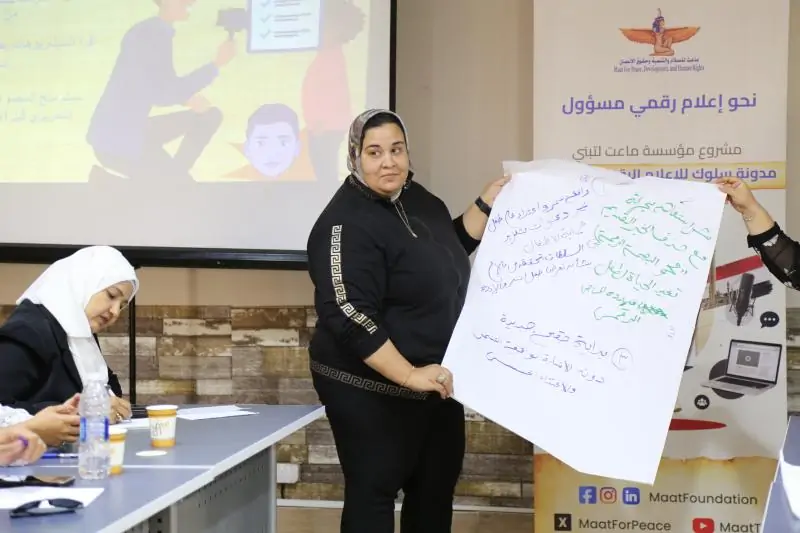
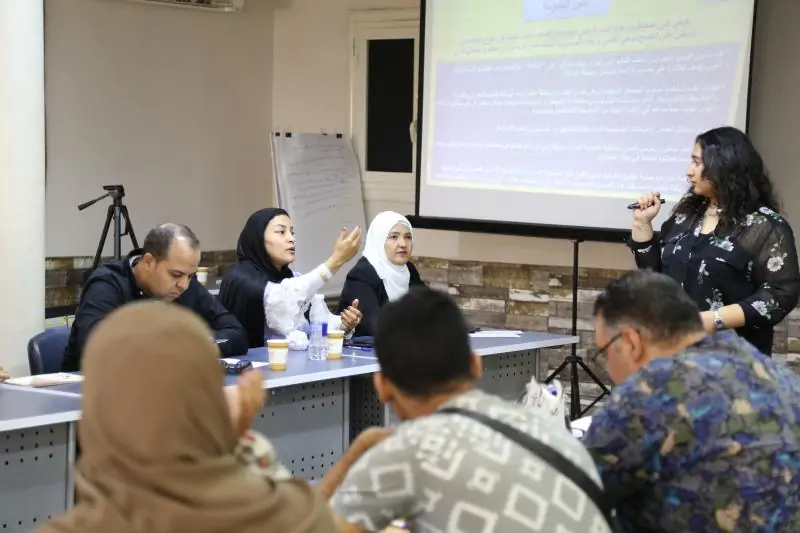
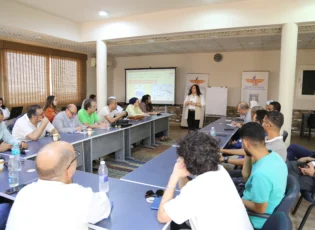
Maat for Peace, Development and Human Rights held a training workshop entitled: “Digital Media Code of Conduct Provisions in Egypt: The Most Vulnerable Groups in the Digital Space.” The workshop was organized as part of the Foundation’s ongoing efforts to promote a more responsible digital media environment, based on ethical standards and on the accurate and accountable exchange of information.
The workshop highlighted professional frameworks for media coverage and the ethical standards that should be followed to ensure the protection of the rights of groups most exposed to digital risks. It included intensive interactive sessions. The first session focused on “Media Coverage of Children’s Issues,” where the core principles of safe coverage were discussed in line with the Code of Conduct issued by Maat. Participants also reviewed the most common mistakes to avoid when publishing content, accompanied by practical examples drawn from digital experiences.
The second session addressed “Media and Journalistic Coverage of Women’s Issues,” discussing ethical and professional standards when reporting on women’s issues, and the importance of using objective language free from discrimination and stigmatization. The session also included analysis and discussion of prevalent models in the digital space.
Abdalrahman Pasha, Executive Director of Maat, stated that women’s and children’s issues are among the most influential factors in societal stability and moral construction. He added that media coverage of these topics in the digital space must be grounded primarily in ethical and professional responsibility.
He further explained that digital content spreads rapidly; therefore, digital media practitioners must prioritize human dignity over considerations related to viewership ratings or news “exclusivity.”
For her part, Marina Samy, Head of Media Unit at Maat, said that protecting the most vulnerable groups, especially women and children, in the digital space is no longer merely a professional option; it is an essential ethical and legal entitlement. She confirmed that Maat will continue delivering training workshops targeting journalists and digital content creators on the Digital Media Code of Conduct provisions in Egypt, launched by Maat in May 2026. The aim is to turn these standards into effective daily practice within the digital environment and to embed them as an integral part of professional culture in digital journalism.
It is noteworthy that this workshop forms part of Maat’s efforts to meet the target set out in the sub-article on Freedom of Opinion and Expression within the National Strategy for Human Rights. The Strategy underscores the importance of issuing a comprehensive code of conduct for all aspects of media and journalistic work, including digital media and social media platforms.




shortlink: https://safearabregion.org/en/?p=46733


 English
  العربية