

Okeil: We Recommend Pressuring for the Halt of the Issuance and Implementation of Unilateral Coercive Measures that Obstruct the Right to Development
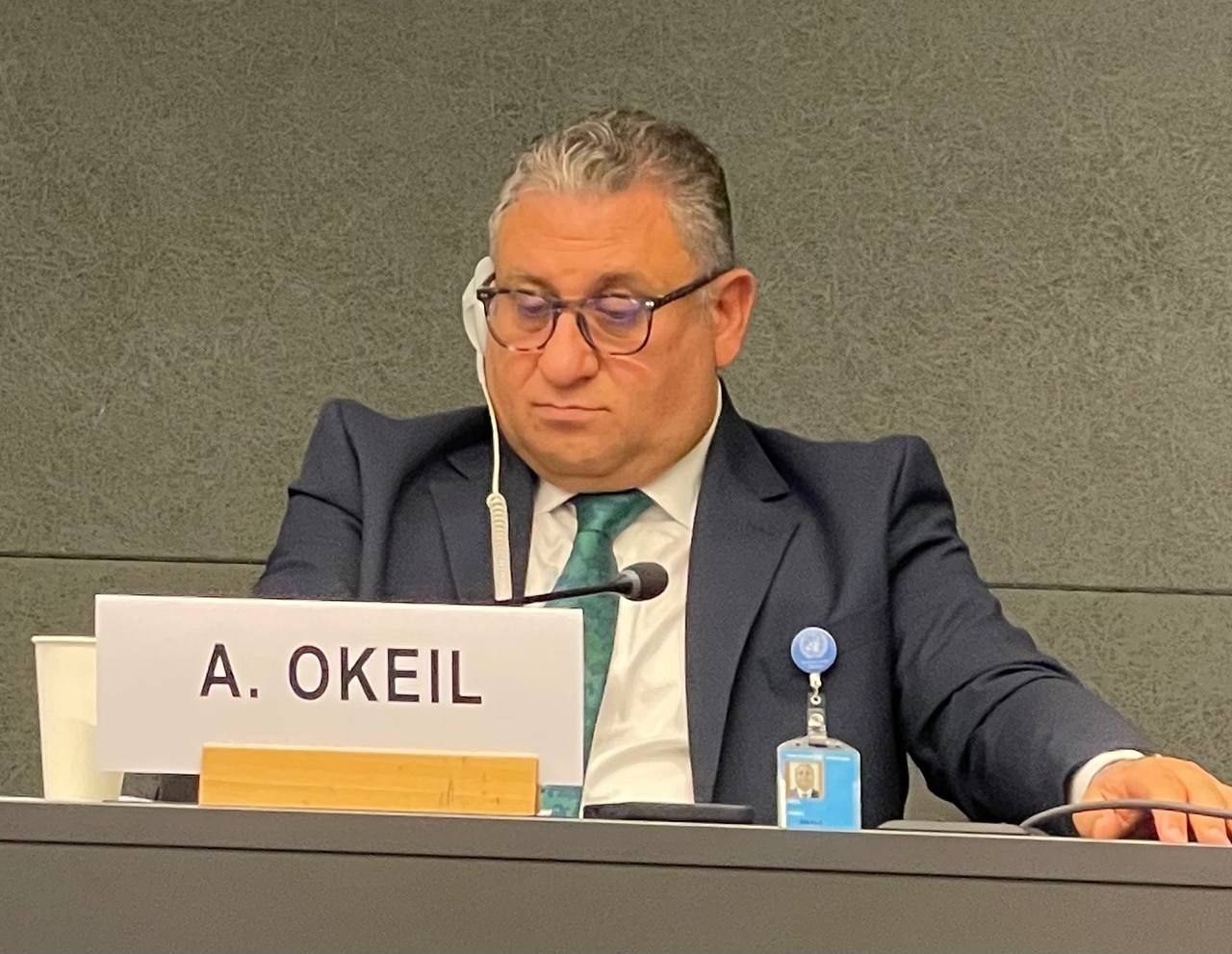
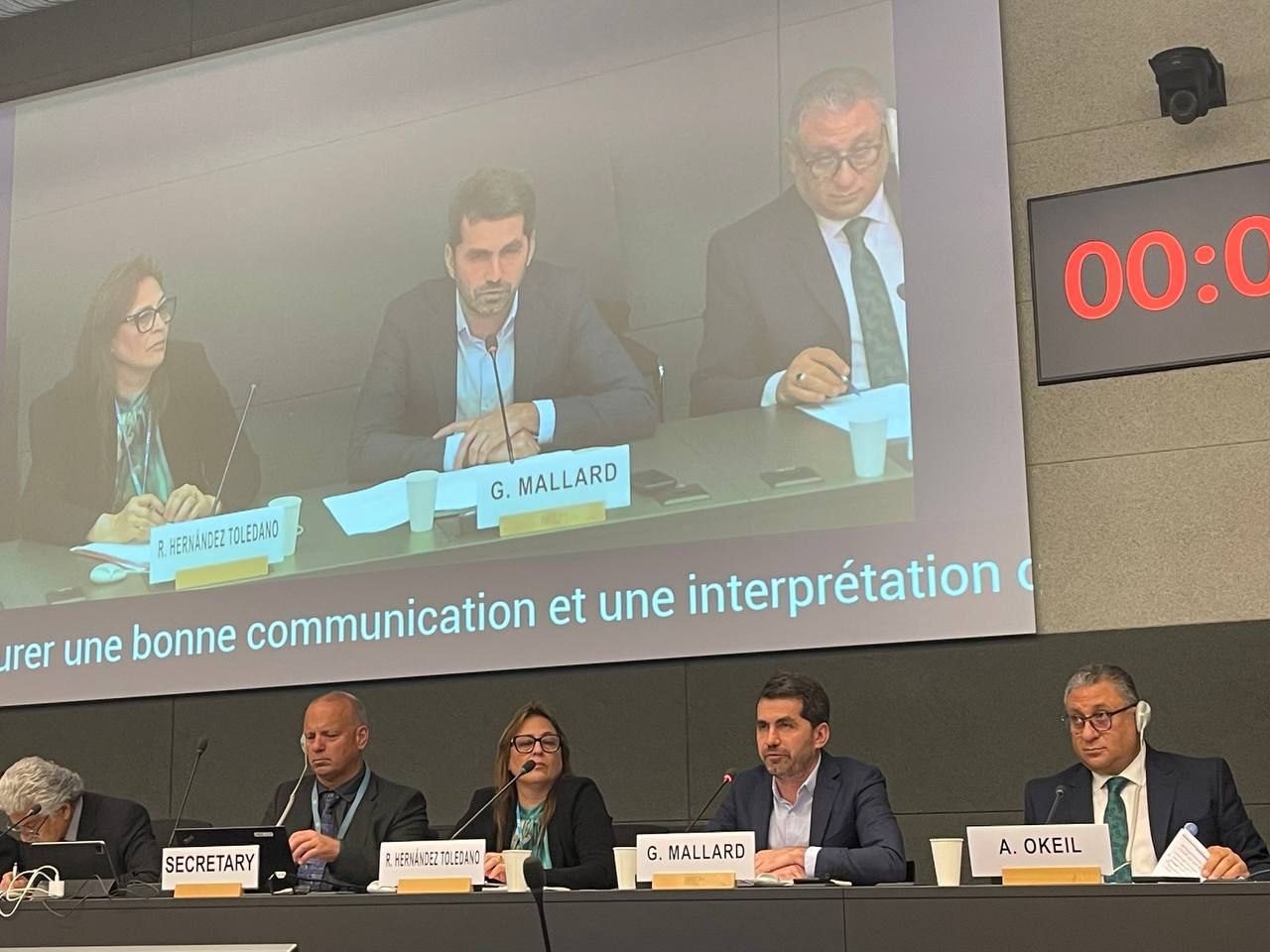
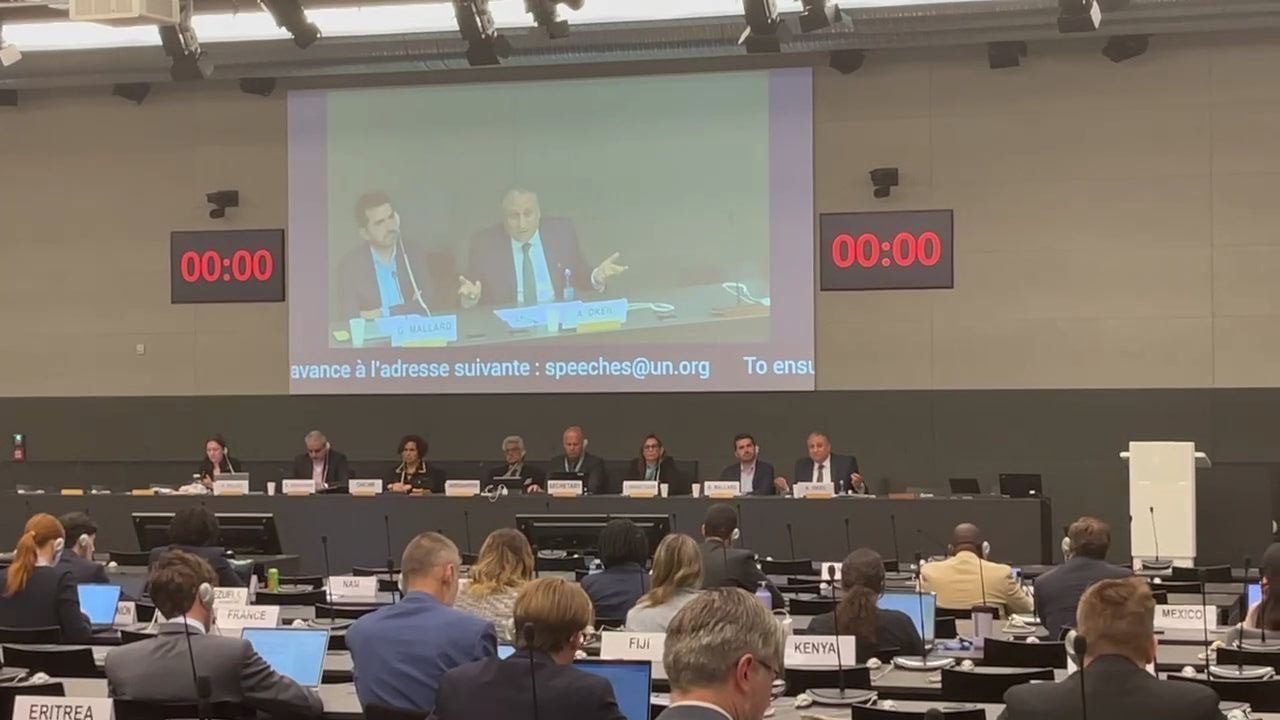
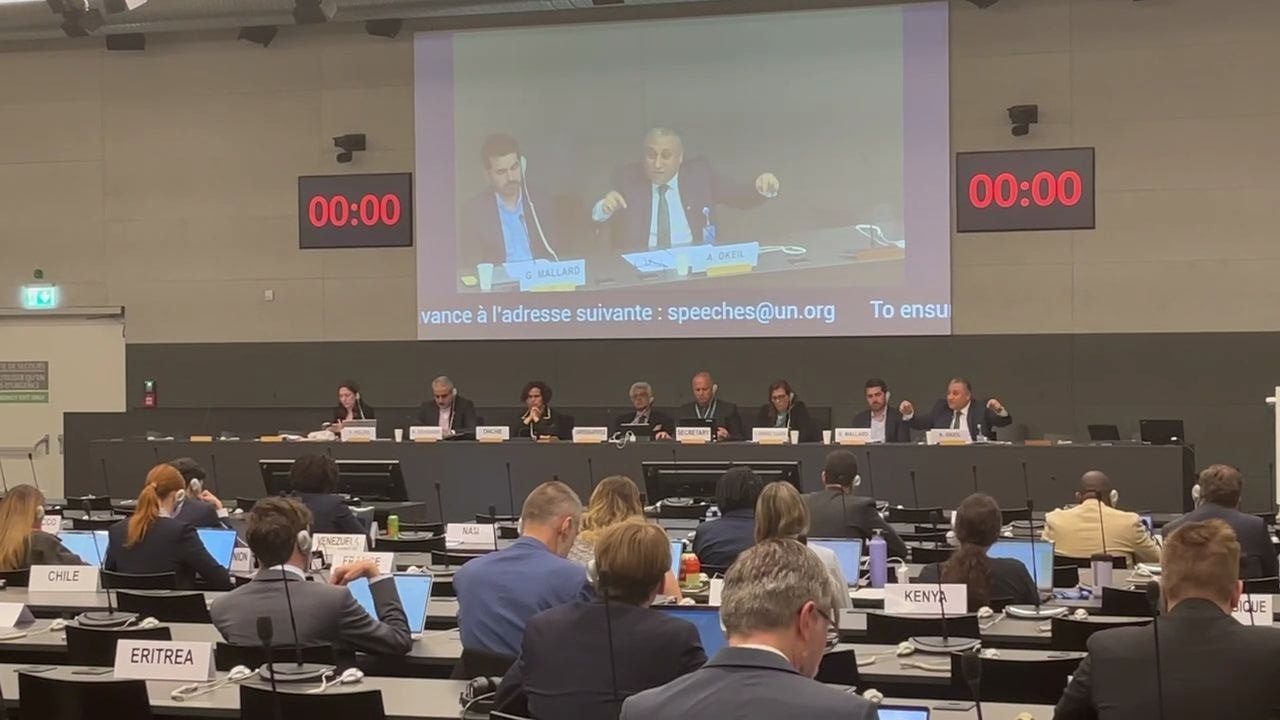
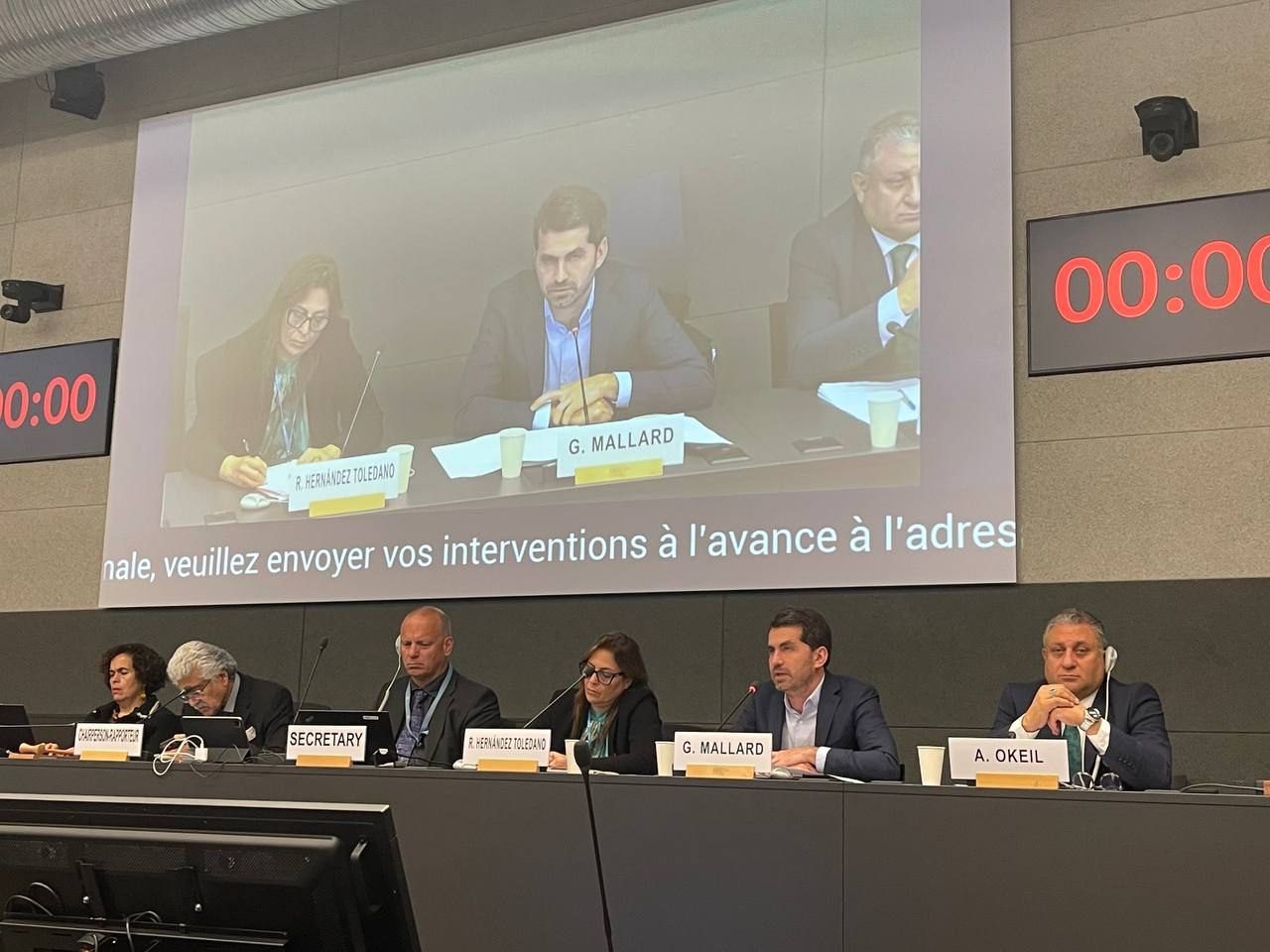
International human rights advocate Ayman Okeil, chairman of Maat for Peace, Development and Human Rights and DPO of the African Union ECOSOCC, participated in the 27th session of the Intergovernmental Working Group on the Right to Development, held at the United Nations Palace in Geneva on 20 May 2026.
During his address at the session entitled “Unilateral Coercive Measures and the Right to Development,” Okeil expressed his appreciation for the continuation of dialogue sessions organized by the Working Group to address different views regarding the draft International Covenant on the Right to Development. He noted that on 4 December 2026, the world will commemorate the 40th anniversary of the adoption of the Declaration on the Right to Development, which is also the same day the UN will mark, for the first time, the observance against unilateral coercive measures.
Okeil stressed that the world is facing a real challenge represented by the escalating impact of unilateral coercive measures on peoples, particularly in developing and African countries. He noted that these measures slow down the achievement of the 2030 SDGs agenda and the African Union Agenda 2063, while directly affecting economic, social, and cultural rights.
He explained that, as an Egyptian, Arab, and African currently serving as DPO of the AU ECOSOCC, he has observed a significant rise in the impact of sanctions and unilateral coercive measures on the right to development, particularly in Africa and the Middle East. In this context, he highlighted examples from Sudan, Zimbabwe, Eritrea, Cuba, and Venezuela. He also referred to the Occupied Palestinian Territories and the impact of unilateral coercive measures imposed by the Israeli occupation authorities in the Gaza Strip, which have contributed to shortages of safe drinking water and the spread of diseases as a result. He stressed that the effects of these measures are not limited to restricting trade or investment, but also extend to undermining healthcare systems and essential services, depriving populations of their fundamental rights.
Okeil pointed out that the phenomenon of “over-compliance” by banks and international financial institutions creates further restrictions on citizens and humanitarian organizations, preventing financial transfers and obstructing the delivery of humanitarian assistance, even in cases not directly targeted by sanctions.
Okeil also addressed the legal, economic, and social dimensions of unilateral coercive measures, emphasizing that these measures result in massive economic losses, declining investments, and decreases in GDP in targeted countries, in addition to their negative impact on education, healthcare, and infrastructure sectors.
Okeil underscored the importance of international cooperation as both a legal and moral obligation to ensure the realization of the right to development, calling on the international community to develop effective mechanisms to address the devastating impacts of unilateral coercive measures and to condemn the states imposing them in accordance with international law and the Charter of the United Nations. He further noted that it is shameful that the very states expected to provide support are themselves the ones imposing these coercive measures.
In concluding his remarks, Okeil called for the establishment of a global alliance against unilateral coercive measures and for the inclusion of effective compensation mechanisms for victims within the draft International Covenant on the Right to Development, ensuring victims’ access to justice and remedies.
He recommended exerting pressure to halt the issuance and implementation of unilateral coercive measures that hinder the right to development, as well as supporting NHRIs and CSOs in undertaking legal interventions on behalf of affected individuals.
The international human rights advocate also called on banks and financial institutions to review “zero-risk” policies that contribute to the expansion of sanctions implementation. He further recommended strengthening the role of the Office of the High Commissioner for Human Rights in providing technical support to countries affected by unilateral coercive measures.
It is worth noting that the session witnessed the participation of several diplomats and international experts, including Reza Dehghani, Ambassador and Deputy Permanent Representative of the Islamic Republic of Iran to the United Nations in Geneva; Rebeca Yamile Hernández Toledano, Minister-Counsellor and Deputy Permanent Representative of the Republic of Cuba to the United Nations in Geneva; and Ren Yisheng, Deputy Secretary-General and Director of the International Liaison Committee of the International Confucius Association and member of the Human Rights Council Advisory Committee. Participants also included Grégoire Mallard, Director of Research and Professor in the Department of Anthropology and Sociology at the Geneva Graduate Institute of International and Development Studies; Mouna Churbaji, Risk Management Specialist at the United Nations Development Programme in the Syrian Arab Republic; and Floriana Polito, Humanitarian and Human Rights Advocacy Officer at Caritas Internationalis in Geneva.


shortlink: https://safearabregion.org/en/?p=46117


 English
  العربية